

World Ranger Day: What Makes a Great Safari Guide?
At the end of this month we’ll be celebrating World Ranger Day (31 July 2026), and it has us thinking about all we owe to the people at Leopard Hills with their feet on the ground, doing the “doing” part of your safari holiday.
As seasoned safari-goers will know, in South Africa we prefer to call our rangers “guides,” and each comes paired with a tracker. Together they form a dynamic duo with similar but specialised skills, working in tandem to give our guests the best possible experience of the bush.
In honour of World Ranger Day, let’s look at what our guides and trackers actually do, the qualifications behind the job, and the qualities that make a safari guide truly great.
Image Credits: Anne Lommel Photography
Why Are Guides So Important?
It may seem a silly question, but a large part of what you’re paying for at Leopard Hills is not just the lodge and its five-star comforts; it’s the expertise of your guide and tracker. A safari here is not an anonymous quest into the wilderness, but a deeply personal exploration of a landscape intimately known.
Your guide is the cornerstone of the whole experience. They rise before you to check that all is in order at camp, then come to wake you for the morning game drive (the guided excursion in an open vehicle that bookends each safari day). Out in the bush, they see to your comfort and safety while also serving as walking encyclopaedias, interpreters of the wild, and sundowner drinking buddies.
It’s no surprise that after so many hours spent together, guests form close bonds with their guide and tracker, remembering them fondly for years afterwards.
What Make Our Guides Stand Out?
We select our guides and trackers for their qualifications and their dedication to the South African bush, but the deciding factor is something no course can teach: warmth, humanity and a genuine love of hosting people in this very particular and special setting: the Sabi Sand Nature Reserve.
A guide’s skills must be broad and sharp: deep knowledge of the bush in general and our reserve in particular, every road and landmark memorised, keen observation, and practical mastery of rifle-handling, off-road driving, first aid and survival. They are educators too, with the wild as their classroom. Many of the animals here, especially the leopards, have names and known personalities; the result of years of observation and shared knowledge.
Trackers are the guide’s secret weapon. Many grew up in this area, carrying knowledge absorbed through generations. On your safari, they sit at the front of the vehicle, picking up what only honed senses can: a broken twig, a depression in the grass, tracks in the mud, or an alarm call hinting at a predator nearby.
Guide and tracker teach each other constantly, and as their partnership matures they develop a language and hosting style all their own. Every set of guests is treated to something unique; a bespoke access point to the bush.
Food for thought this World Ranger Day: Most of us face challenges at work, but few are called upon to use every skill we have, in real time, all of the time.
Qualifications & Skills
Thinking about guiding yourself? What a worthy career, with a lifetime of bearing fruit. Here’s an idea of what you’ll need to work at a luxury lodge like Leopard Hills.
To start: The foundation is the FGASA NQF2 (Nature Site Guide) qualification, the entry point for any field guide in Southern Africa. FGASA (the Field Guides Association of Southern Africa) sets the industry standard, accredited through CATHSSETA, the government’s training authority, and guides must also register with the provincial tourism authorities to guide legally.
To advance: Senior guides progress to the FGASA NQF4, which requires at least 260 logged days of lodge guiding; we also expect extensive experience with the Big Five (lion, leopard, elephant, buffalo and rhino).
In addition: Add a valid first aid certificate, a driver’s licence with Professional Driving Permit and, for walking safaris, a Trails Guide qualification with Advanced Rifle Handling.
Beyond the paperwork, our team spend a lifetime honing personal passions. Many are keen birders and photographers who reach expert level not through certificates, but through hours and hours (did we mention hours?) in the field.
(They like to think of themselves are professional comedians, too, and you’ll have to decide for yourself whether you deem their “dad jokes” any good!)
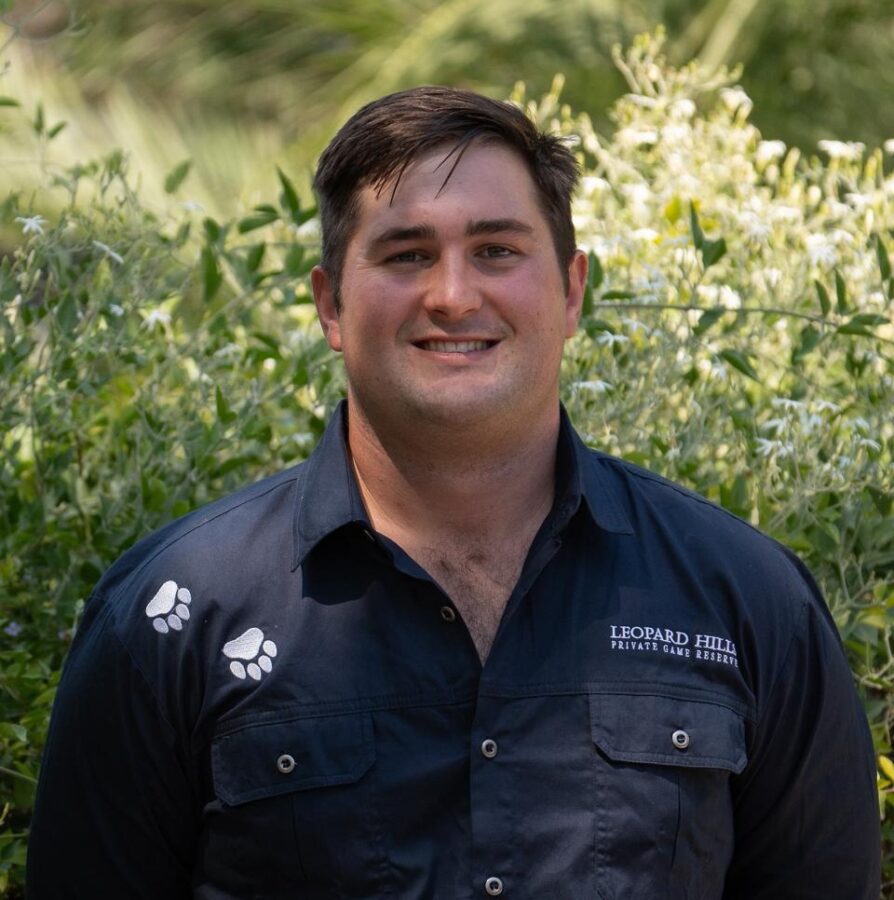
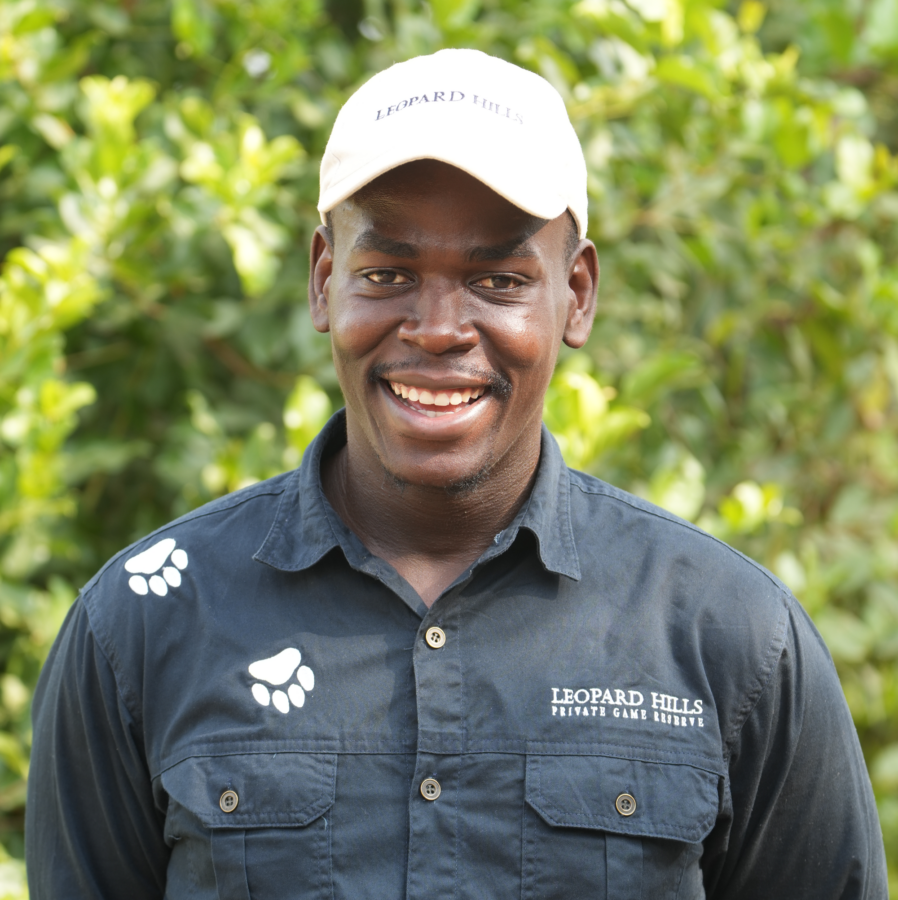
The Men Of The Hour
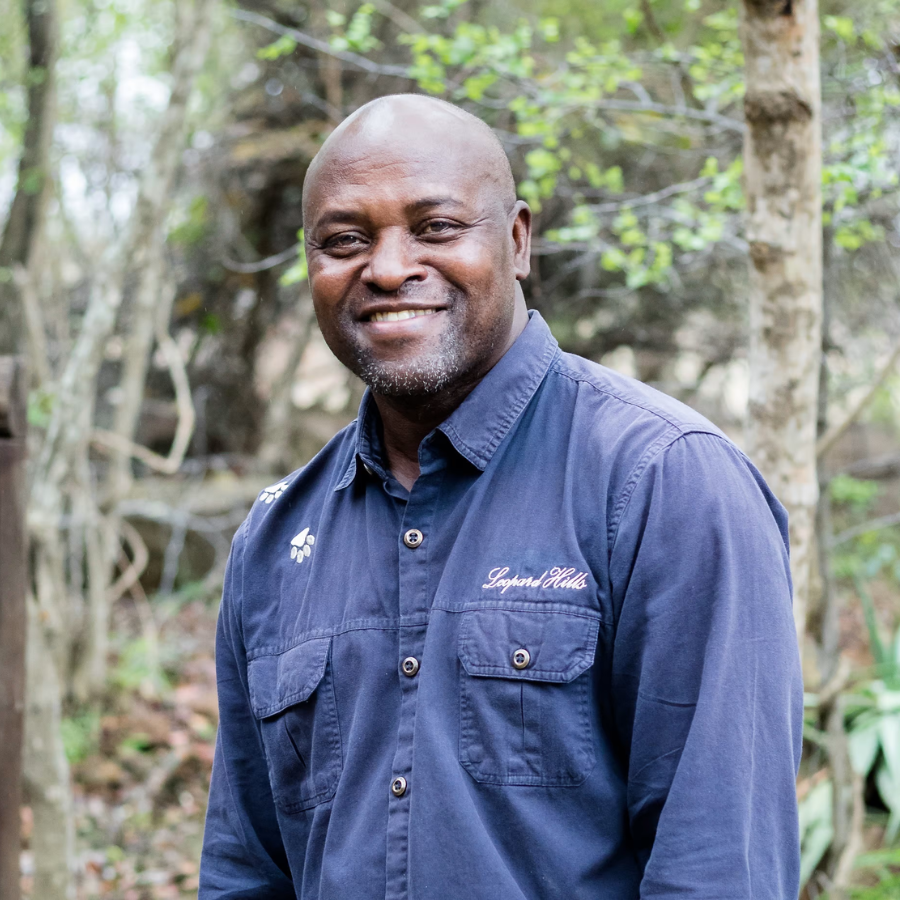
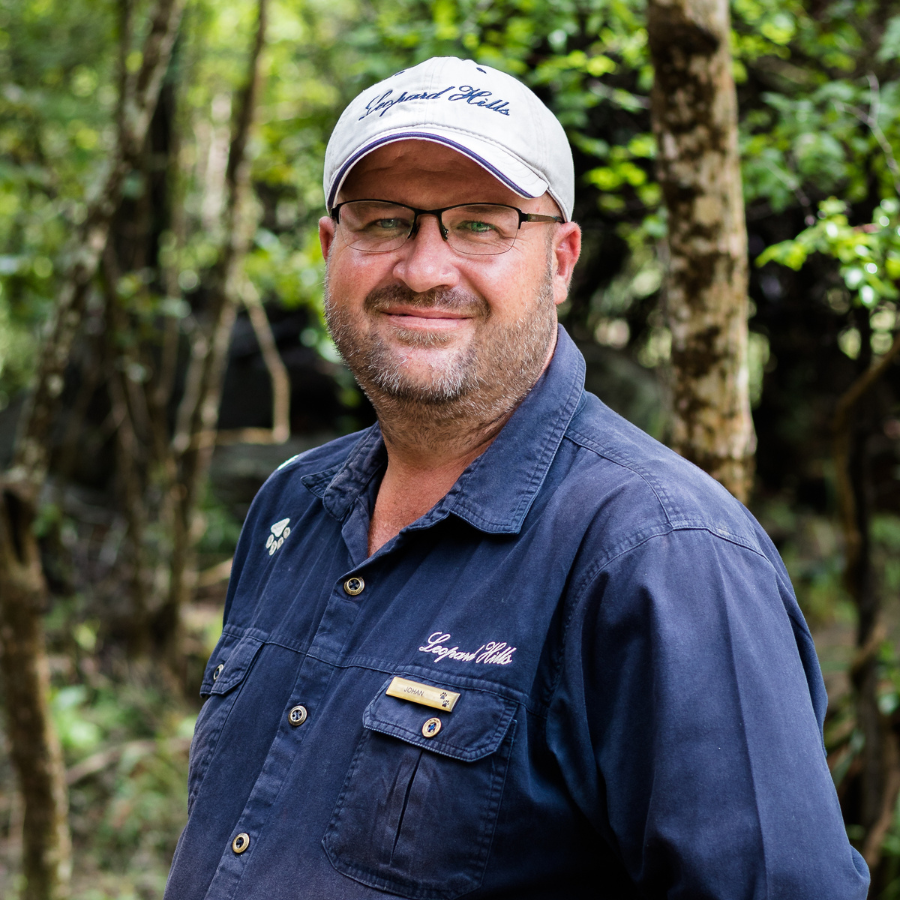
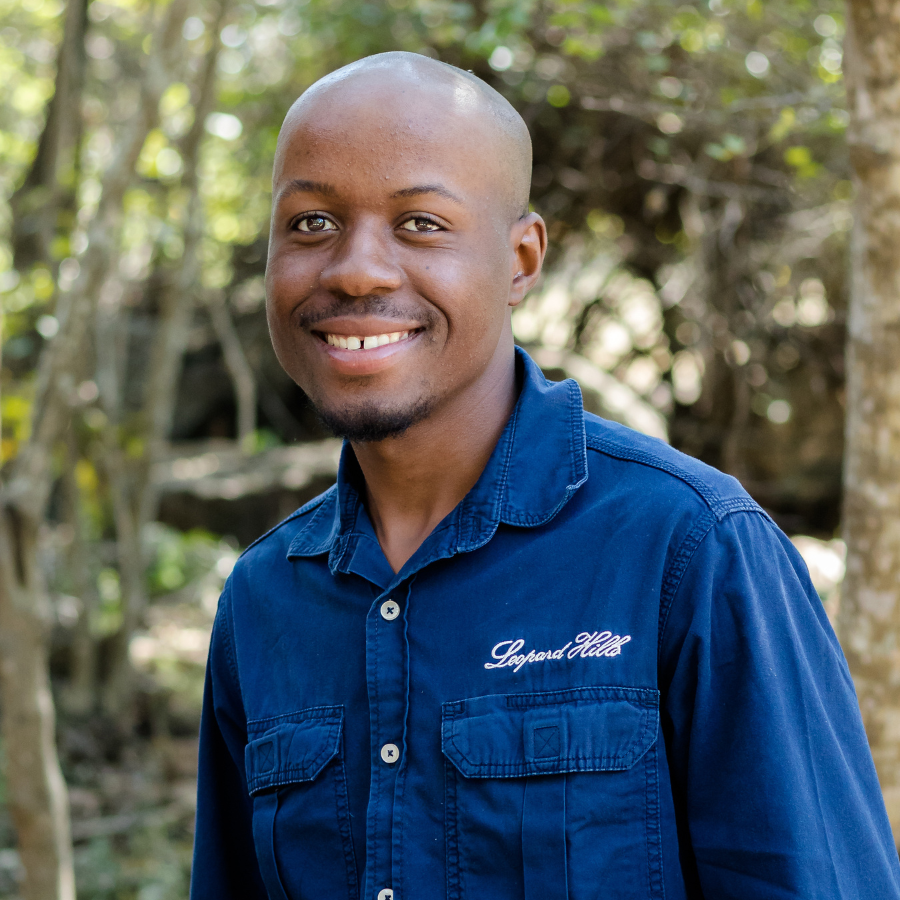
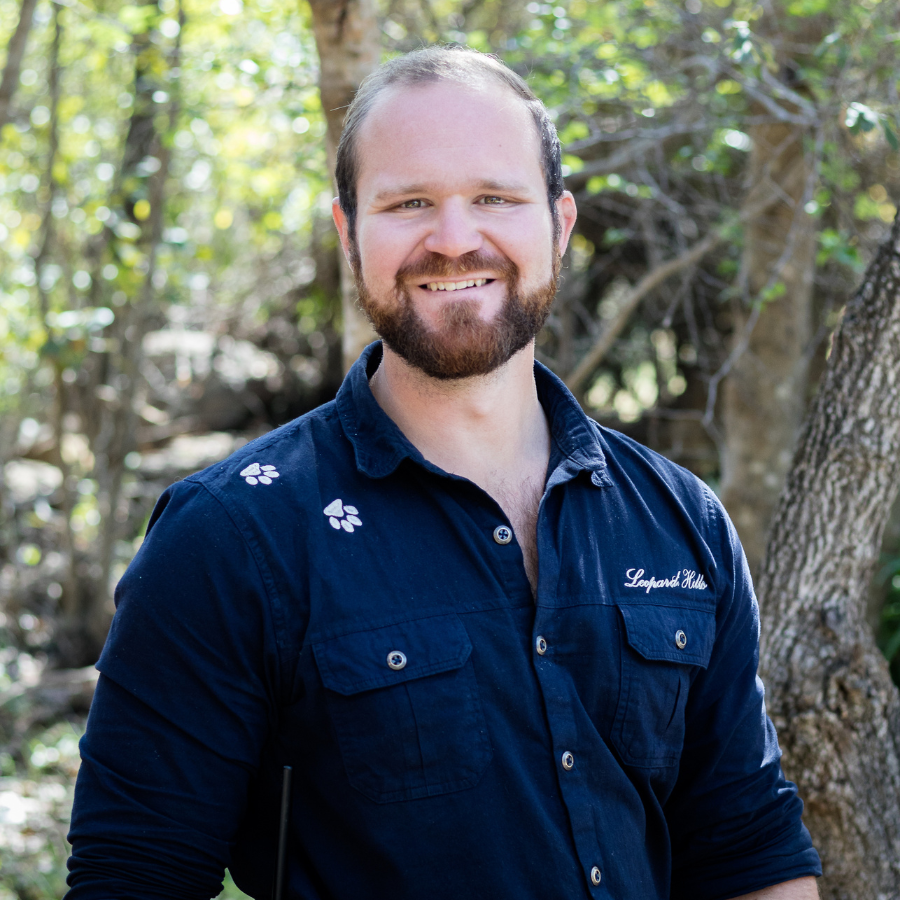
GUIDES:
- Justin de la Rey (Head Guide): Traded a business and marketing degree for the bush, and first knew Leopard Hills as a child visiting with his parents. A passionate birder.
- Johan de la Rey (Guide and Habitat Manager): Farm-raised, with three years guiding overland tours across Africa before settling in the western Sabi Sand (our private reserve bordering the Kruger) in 2004. Believes the bush is too special to rush.
- Michael Simons: Completed a three-year nature course straight out of school. A keen photographer with a soft spot for the bush’s smaller characters, birds and reptiles included.
- Morné Hoffman: Spent nearly every childhood holiday in the Kruger, and sees guides as “translators” of animal behaviour.
- Dieter Lategan: Born on a farm in the Camdeboo Mountains, where he drove Land Rovers long before his peers. Happiest waiting in golden light for the perfect photograph.
TRACKERS:
- Ronald Gumede: A Leopard Hills stalwart since 2004, who worked his way from groundskeeper into tracking through sheer graft. Most at home on foot.
- Collen Masiya: Learned tracking from his father, starting with goats and cows in the village before graduating to the wild.
- Bongani Sibuyi: Son of one of the world’s first master trackers; saved up to fund his own tracking academy course and passed top of his class.
- Advice Hambana: Sponsored through The Tracker Academy’s intensive year of study, he worked several reserves before realising his heart belonged to the Sabi Sand.
Our heroes. You can read their full bios here.
Stay With Us
This World Ranger Day, raise a glass to the people who turn a beautiful lodge into an unforgettable safari. Better still, come and meet them right here in the Sabi Sand.
Book your stay at Leopard Hills by contacting book@leopardhills.com, and let your own guide and tracker show you the Sabi Sand as only they can.
For the tech-savvy: You are more than welcome to secure your own safari dates by making use of our seamless online booking platform.
We look forward to welcoming you to Leopard Hills!