

Walking Safaris: Discovering the Sabi Sand on Foot
The wild cannot be brought to heel, sanitised or wiped clean of risk. However, when entered respectfully, responsibly and armed with knowledge, spending time in the wild is one of the most intensely present experiences a person can have.
At Leopard Hills, we invite our guests to leave the vehicle at the lodge and enter the bushveld on foot. Accompanied by one of our exceptional guides, we assure you that your senses will come to life, the nuances of nature will be brought into stark focus, and you might even discover something about yourself that you didn’t know before.
Our walking safaris are one of the Sabi Sand safari activities on offer, and if it appeals to you, you’ll find all you need to know and all you might expect from this immersive journey into the African bushveld in the post below.
Why Leave the Vehicle Behind?
Exploring the bush on foot gives you a different sense of place altogether. From a Cruiser, the Sabi Sand unfolds as scenery. On foot, it becomes something you’re inside of – a part of.
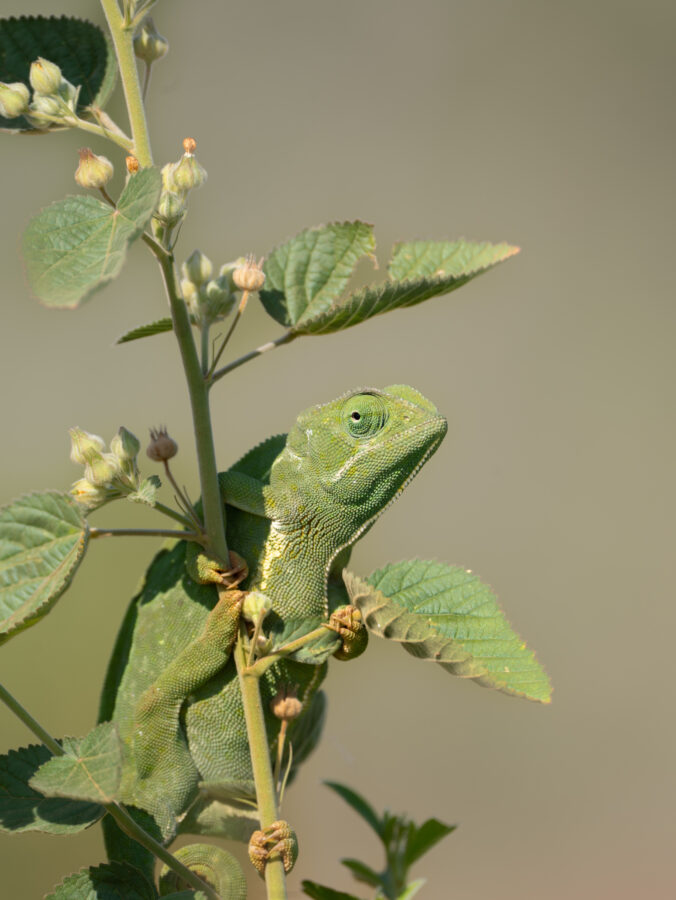
Senses that go dull from a vehicle seat sharpen quickly out here: the smell of wild sage crushed underfoot, the papery rustle of a lizard in dry leaves, the sudden hush that falls when something bigger is nearby, or a francolin’s call.
At a slower pace, your guide can really hone into specific details; the world becomes more tactile as you examine the contents of elephant dung (not as gross as it sounds) to determine what they’ve been foraging on or how long ago they passed by, or you might enjoy a tale about aardvarks standing outside a burrow, or maybe even find some treasures like a vulture’s feather or porcupine quill.
Sabi Sand safaris are, for many guests, defined by the drama of the drive, an elephant crossing close, a pride settled in the shade. Walking asks something quieter of you. It rewards patience over pace. And trust us, when those encounters do come – it’s a thrill like nothing else.
A Morning Out on the Trail
Most walks here follow the morning game drive. (Don’t worry – you’ll definitely have brekkie first!) They typically last an hour or two, depending on what you’d prefer, and give guests a chance to step down and cover ground they’ve just seen from the vehicle, this time at eye level and walking pace.
For those who want more, longer trails can be arranged in place of a drive altogether, giving the morning over entirely to walking. There’s no fixed itinerary to a walk. It moves at the pace of what there is to see, a fresh trail of white rhino dung worth a closer look, a raptor worth watching circle for a while.
This is unscripted safari at its best – a real chance to get to know this landscape in an intimate way.
The Person Leading the Way
Every walk is led by a fully qualified Trails Guide, a rank that in South Africa takes years to earn. Beyond the standard safari guiding certificate, a Trails Guide must pass a demanding proficiency test that covers dangerous game behaviour, rifle handling, and the judgement to read a situation before it becomes one. It’s this training, more than anything else, that allows guests to walk safely among animals that could, in other circumstances, be dangerous.
Before setting out, your guide will ask about your interests and fitness level, then shape the walk accordingly. Some mornings lean toward tracking; others slow right down over the smaller things, like a termite mound’s architecture, or the medicinal use of a particular tree’s bark.
Our guides are among the best in South Africa and take their role very seriously. You are in excellent hands. Remember to keep the lines of communication open and keep checking in with them if ever you aren’t sure or if a situation makes you feel uncomfortable.
If you’d like to learn more about what it takes to become a Leopard Hills guide, click here.
What's it like?
Walks are not like drives. We aren’t actively pursuing the Big Five or dramatic sightings; the point is to be still, alert, present and open to what the bush has to show.
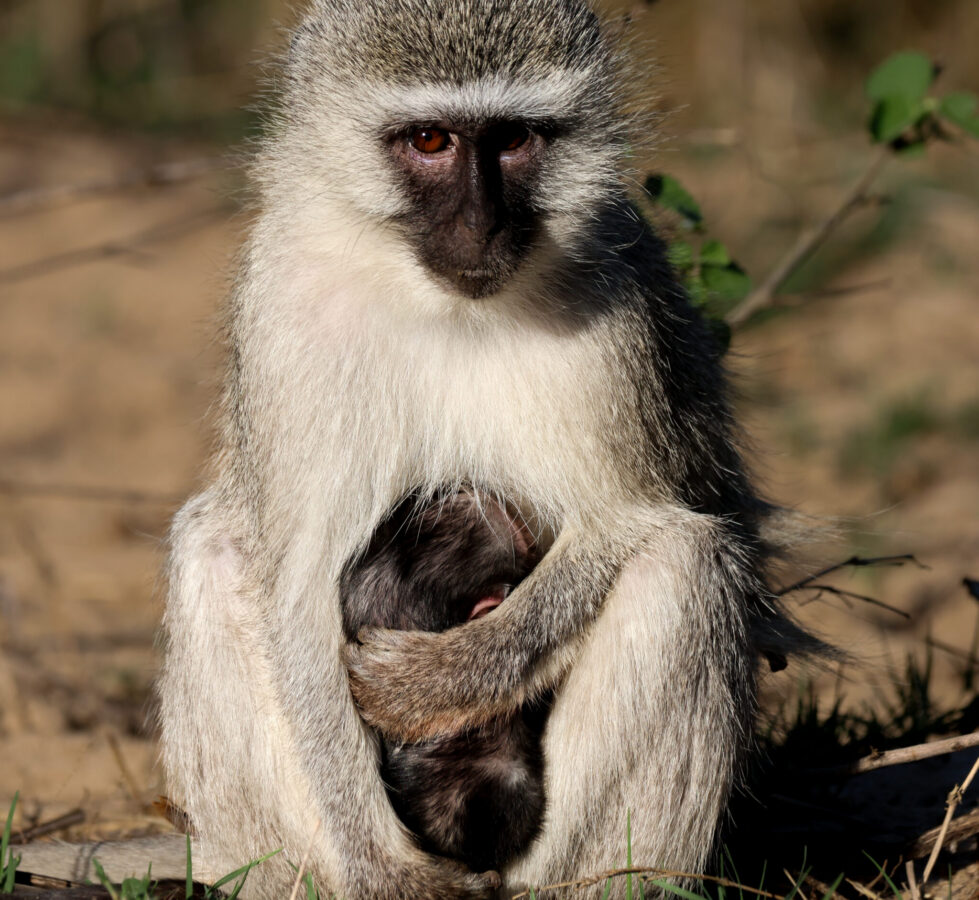
Notice the otherwise overlooked details that vehicles drive straight past. Dung beetles rolling their find across the path, the alarm call of a vervet monkey giving away a predator’s position, or watching a giraffe browse in its characteristic, unhurried way.
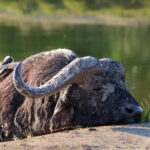
Larger animals are still very much part of it – like a buffalo grazing at a respectful distance, or the sudden, deep stillness that arrives when elephant are near, but they’re encountered on the bush’s terms, and by your guide’s discretion.
Your Safety Briefing
In keeping with guiding regulations, walking safaris are not open to children under sixteen. It’s a rule shaped by the same caution that makes these walks possible in the first place: on foot, distance and awareness are everything.
Walking Safari Etiquette:
- Follow your guide’s instructions and lead at all times. They set the pace, the direction and the distance. No overtaking, no wandering, no exceptions.
- Sound carries further than you think in the bush, and silence is what gets you close to wildlife. If you do need to speak, feel free to do so, but keep your voice considered, low and calm.
- Walk in single file. When talking or taking a closer look at something, you might like to draw closer, but the objective of staying close together in single file is for your guide to keep you close and safe at all times.
- Wear neutral colours. Bright clothing is a visual alarm for wildlife. Khaki, olive and brown are your friends.
- If the guide stops, you stop. No questions, no hesitation. There will be time for questions once everyone is safe.
- You will be briefed before your walk, where your guide will tell you what to do in the case of possible encounters. Listen closely and remember that as wondrous as this is, it requires you to be serious and cooperative.
Stay With Us
Some guests return from a walk feeling changed; not because anything dramatic happened, but because they truly realise how special and unique this place is. That’s really what Sabi Sand safaris on foot are about: Letting the bush meet you where you are and speak to you.
If you’ve done the game drives and want the Sabi Sand to feel a little more like home, ask us about adding a walk to your stay.
Browse our suites on our website and get in touch with our team at book@leopardhills.com to book your stay. Alternatively, use our online booking platform to secure your own dates.
We look forward to welcoming you to the Sabi Sand!
Walking Safaris at Leopard Hills
Frequently Asked Questions
Walking safaris are conducted by experienced, qualified guides who understand the wildlife and environment of the Sabi Sand Nature Reserve. Guests receive a safety briefing before setting out and are expected to follow their guide’s instructions throughout the walk. Our rangers carry rifles as a precautionary measure – a last resort, never a first response. In practice, the greatest skill lies in avoiding confrontation altogether, and that’s exactly what our team is trained to do.
Not at all. Walking safaris are conducted at a gentle pace and cover manageable distances. If you can take a slow stroll, you can walk the Sabi Sand.
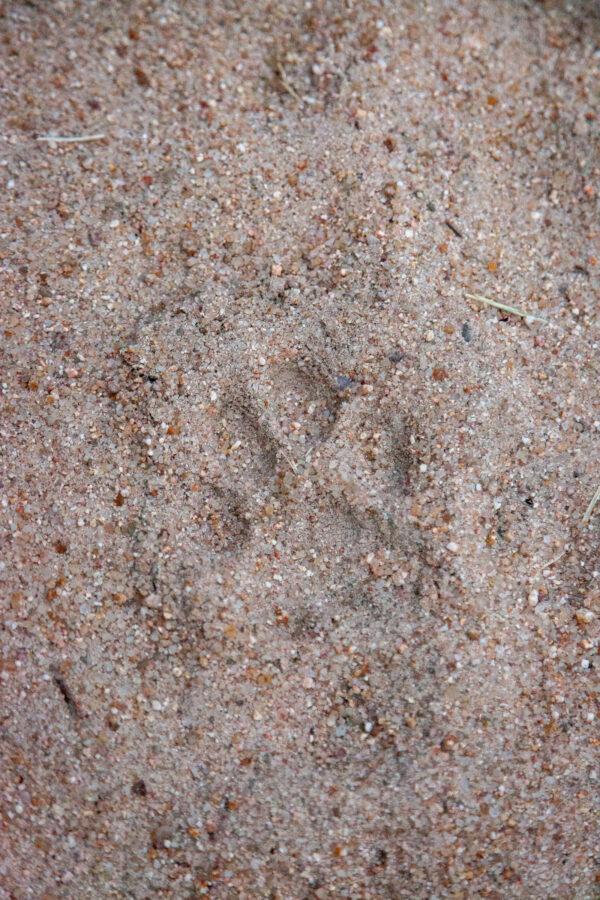
Wildlife sightings vary from walk to walk, and encountering animals is never guaranteed. Guests may see antelope, giraffe and other wildlife, while tracks and signs can reveal the presence of species such as elephant, rhino, buffalo, lion and leopard. Birdlife and smaller creatures are also an important part of the experience.
Comfortable closed walking shoes, lightweight neutral-coloured clothing and a hat are recommended. Sunscreen is also advisable, and layers can be useful for cooler mornings, particularly during the winter months.
Shorter walks are conducted after the morning game drive and are usually for 1 or 2 hours. Longer walking trails can be arranged anytime and can even be in place of morning game drives.