

Lion Country: Inside the Western Sabi Sand
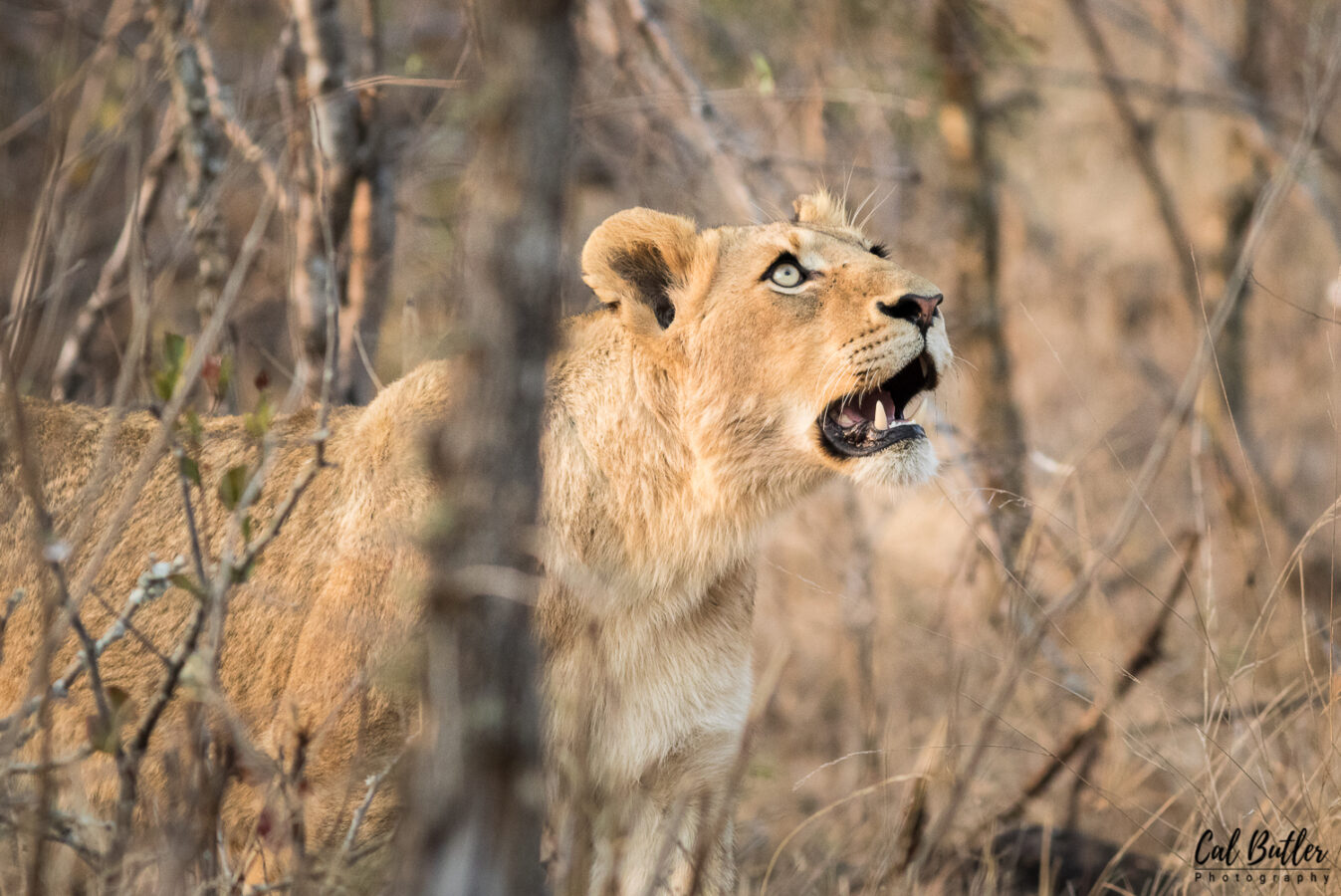
It finds you before dawn: A call so primal it thrills and unsettles you at the same time, moving through the walls of your suite and awakening a part of you ruled by instinct. By the time you are fully awake, it has already faded. But you lie still, listening, because you know the roar will come again. This is lion country, after all.
When you stay with us at Leopard Hills, the knowledge that the lions of the Sabi Sand are out there is one of the many gifts this landscape provides. No fence, no performance; just the wild, and the knowledge that for a short time, you get to be a part of it.
Why the Western Sabi Sand Is Lion Country
The Sabi Sand Nature Reserve is widely regarded as one of the finest Big Five destinations on the continent, and within it, the western sector (where we’re located) has earned a particular reputation. The terrain here is a mosaic of open grassland, dense thicket, and riverine woodland – precisely the kind of varied, prey-rich landscape that lions favour.
Crucially, the Sabi Sand shares unfenced boundaries with Kruger National Park, meaning that wildlife moves freely across this vast landscape and that the lions of the Sabi Sand are not confined to a fixed population. Territory shifts, coalitions form and dissolve, new bloodlines move through.
It is a living, breathing system of power and survival, and guests at Leopard Hills have a front-row seat!
How Lion Territory Actually Works
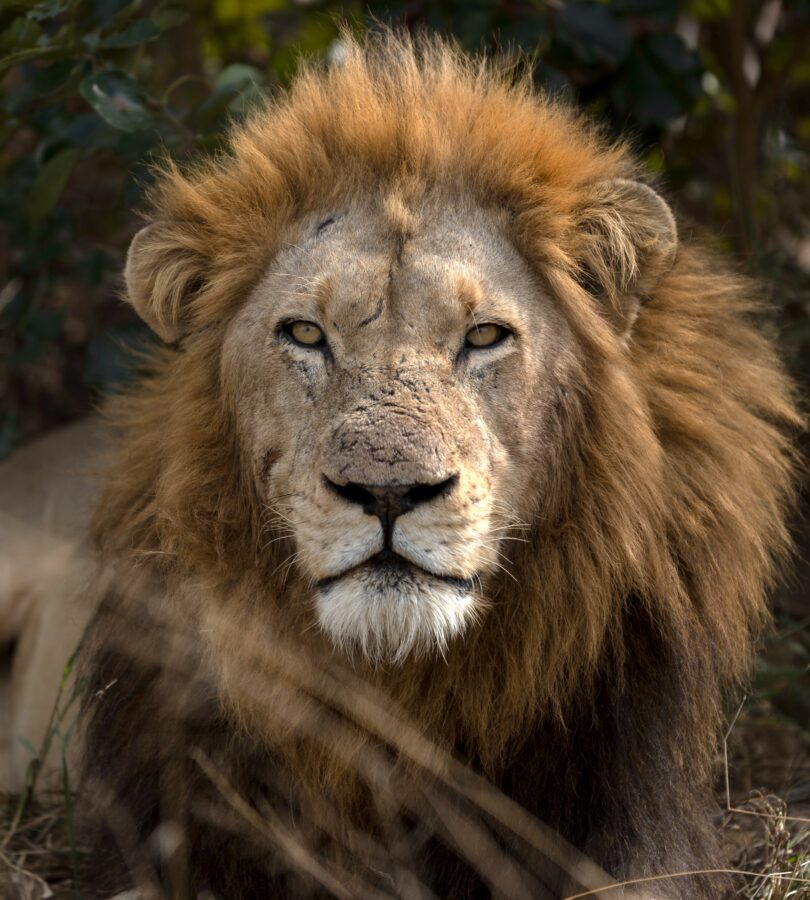
A lion’s roar carries up to eight kilometres on a still night. What sounds to us like raw power is, in fact, precise communication – a broadcast of location, a warning to rival coalitions, a gathering call to scattered pride members. Lions read these signals with a sophistication we are only beginning to understand, and your guide will be able to tell you plenty more while you are on the back of their vehicle, experiencing this wilderness for yourself. They, more than anyone, have feet on the ground here, driving these roads and exploring this territory daily. To them, lions are not just “sightings,” but individuals with names and stories.
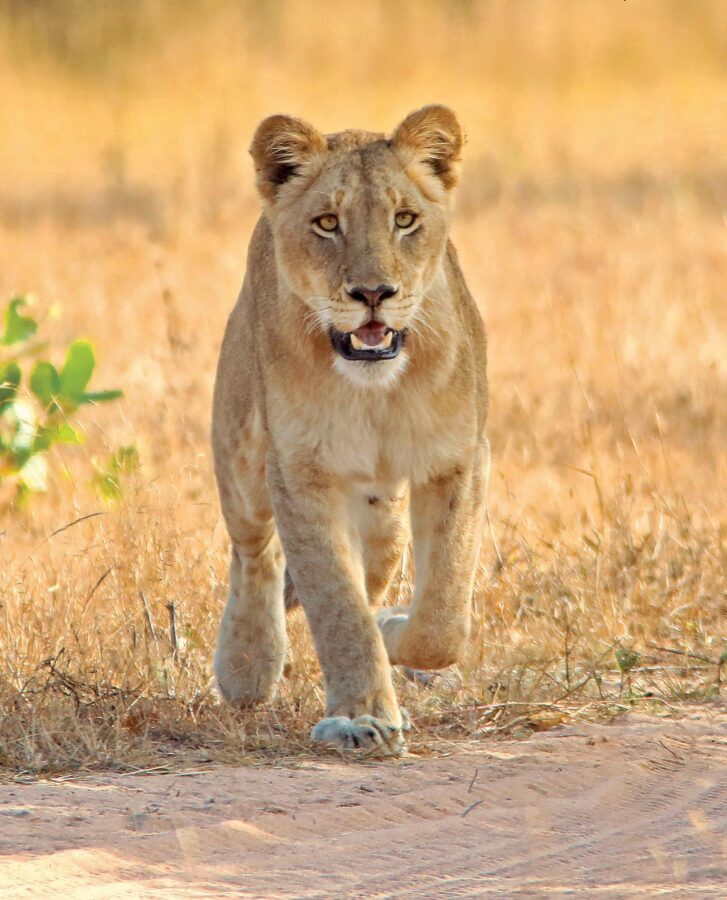
They will tell you that territory is held not by the size of a male lion or a pride alone, but by consistency. Prides patrol their range daily, reinforcing boundaries through scent marking, vocalisation, and presence. Where two territories meet, the tension is palpable – a charged, invisible line that every animal in the area seems to “know”. Our guides know where these lines run, getting you to the right place, at the right moment to witness the action, is part of the art of guiding in the Sabi Sand Nature Reserve.
Coalitions, Prides and the Dynamics of Power
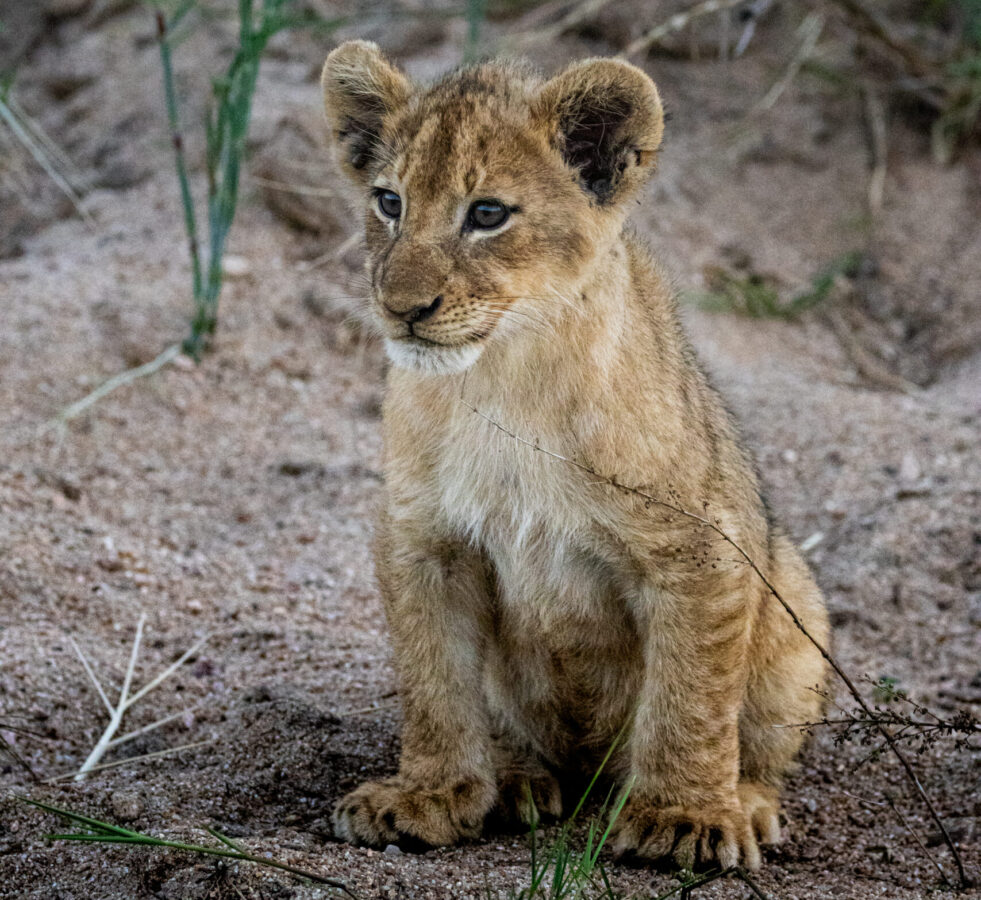
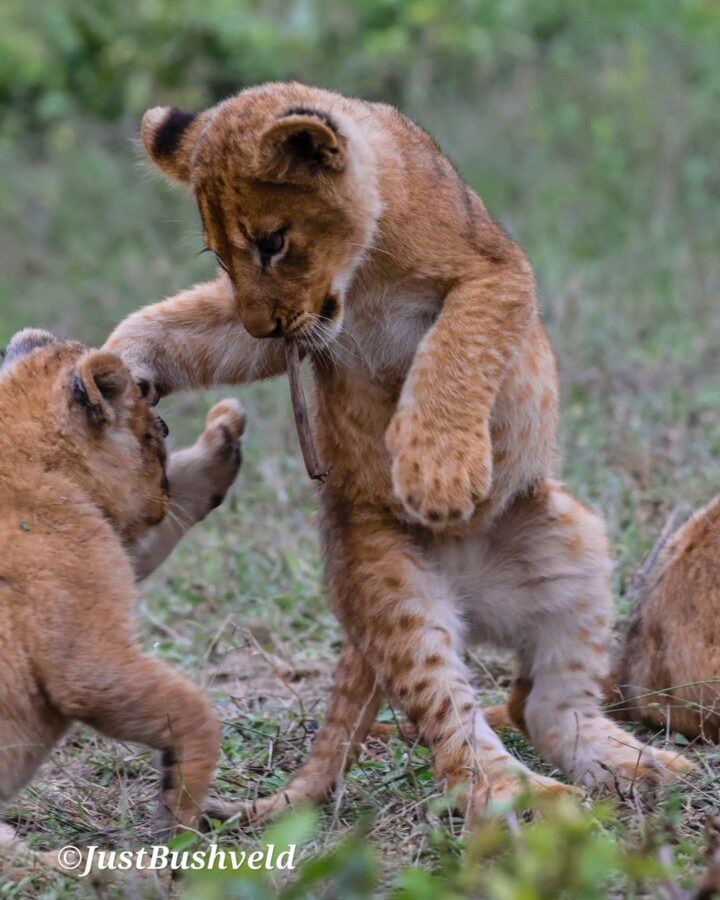
No two lion stories in the Sabi Sand are alike. The social architecture of a pride, consisting of its resident females, the coalitions of males that hold or contest it and the cubs navigating their earliest months, is constantly in motion. A dominant coalition may hold territory for years before a younger alliance challenges them, or a pregnant female retreats to dense cover to give birth, returning weeks later with cubs that the whole pride will help raise.
Our guides follow these stories across seasons and years, and will delight in telling you about the ongoing saga and past exploits of the Ximungwe Pride and the Plains Camp Males, among other characters they have come to know.
Note: Keep up to date with current bush news from our guides via our monthly Bush Bulletin.
What Guests Actually Experience
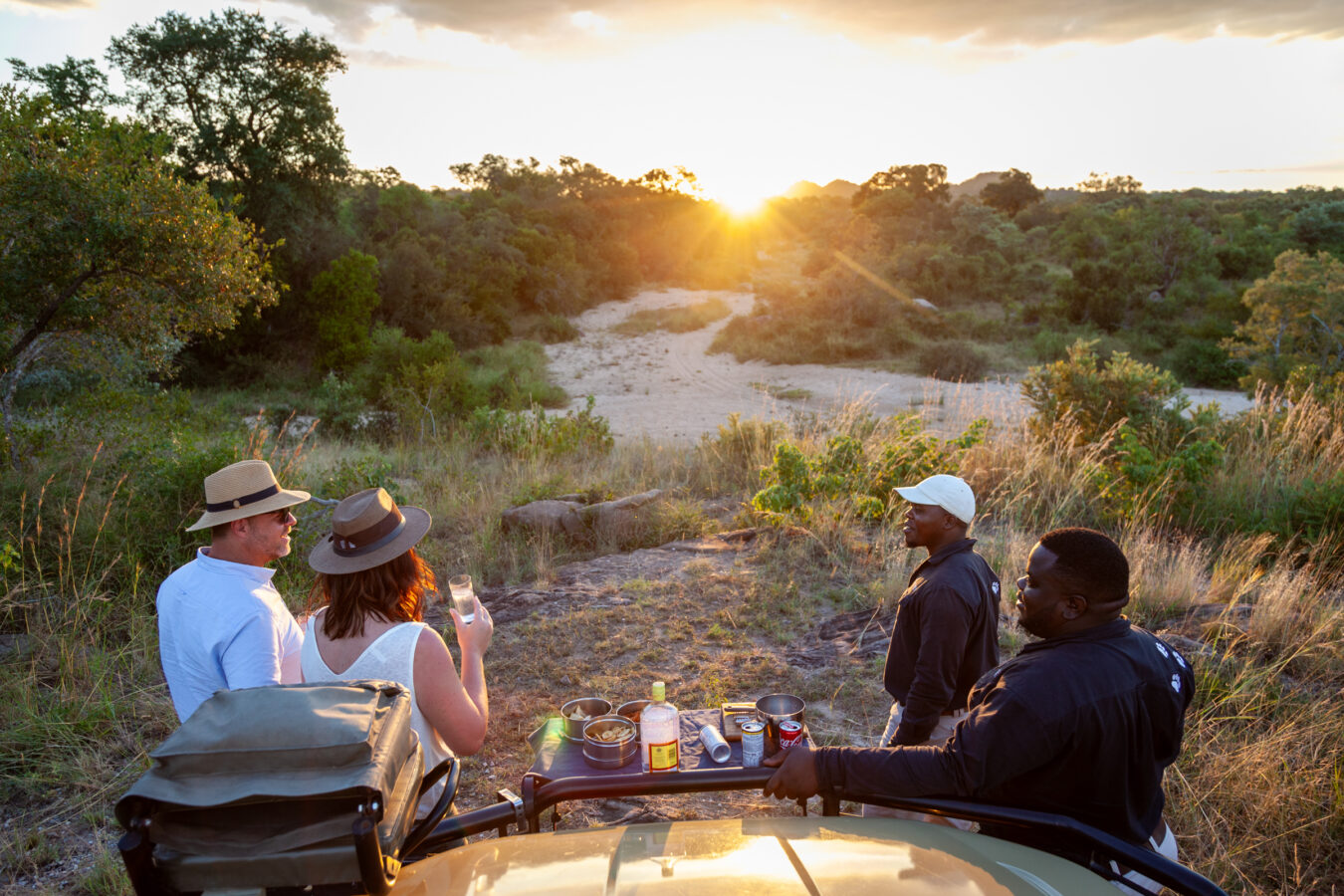
At Leopard Hills, your twice daily game drives will expose you to the hours when lions are most active – early morning and late afternoon.
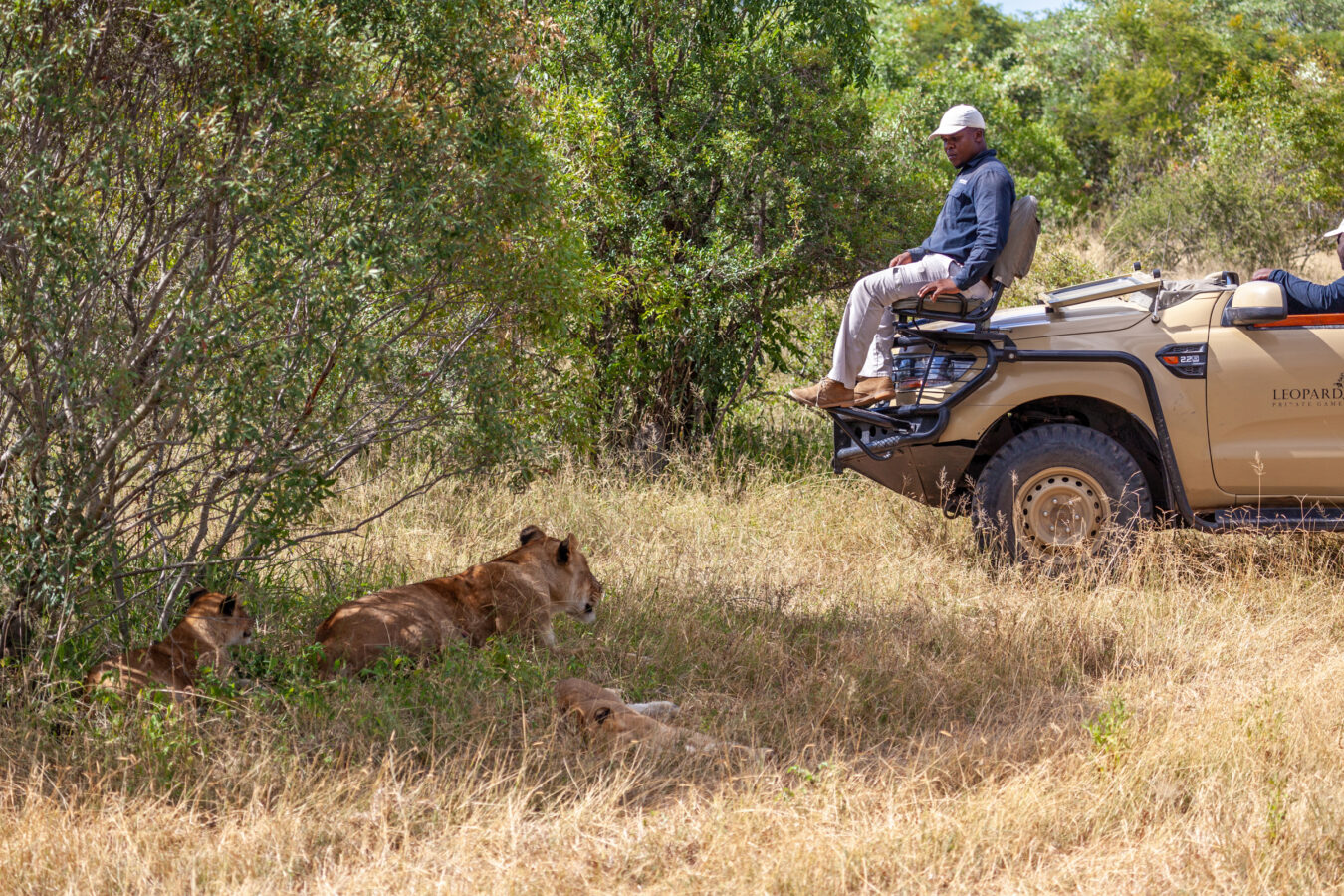
A lion encounter, like the big cat itself, often sneaks up on you. You may be watching a herd of impala move across a clearing when your guide or tracker’s posture changes almost imperceptibly. They have heard something, or seen a flicker of movement in the grass that your eye has not yet found. The vehicle slows, and then you see them…
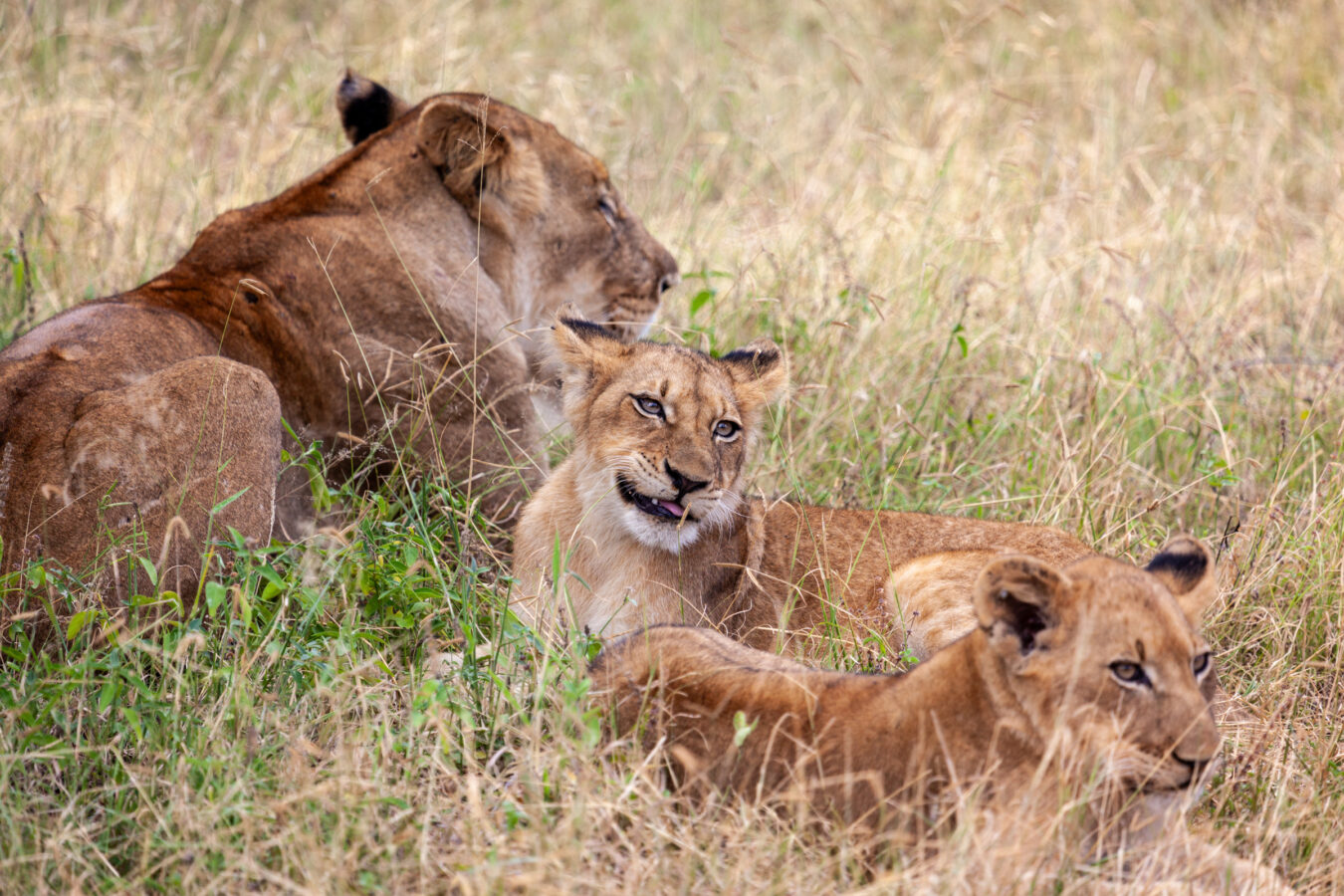
Watching a pride of lions at rest in the late afternoon is like seeing your own domestic cats sleeping on the couch at home – all cats seem to be supremely unbothered, big or small. Lionesses flop over in the shade, cubs tumble over sleeping adults, and the reigning male may acknowledge your presence with the slow sweep of his tail. Then, as the light fades and the temperature drops, the energy changes and they begin to move – it’s hunting hour.
Later, back at the lodge, you sit on your private deck listening to the darkness settle around you. And sometime in the deep hours of the night, that low call returns – the lions of the Sabi Sand, reminding you of your place in a very old rhythm that feels “unreal” in today’s world, but is probably one of the realest things we have left to us.
Why It Matters Beyond the Sighting
Lions are listed as vulnerable across their African range. Protected landscapes like the Sabi Sand are not merely scenic, they are essential infrastructure for a species under pressure. The unfenced connection to Kruger is not incidental; it is what gives the population here its genetic resilience and room to move.
Every safari at Leopard Hills contributes, directly and meaningfully, to the conservation of this landscape. The presence of guests supports the guides, the anti-poaching operations, and the broader stewardship of a reserve that protects not just lions, but the entire, intricate ecosystem they sit atop. To witness a pride here is, in a quiet way, to participate in their survival.
For that, we thank you.
Stay With Us
If you would like to plan your stay at Leopard Hills and experience the lions of the Sabi Sand for yourself, our reservations team would be delighted to hear from you. Reach us at book@leopardhills.com or enquire online.
We can’t wait to introduce you to the lions of the Sabi Sand, as well as the other big cats that make this region famous!