

Why the Sabi Sand Produces such Frequent Leopard Sightings
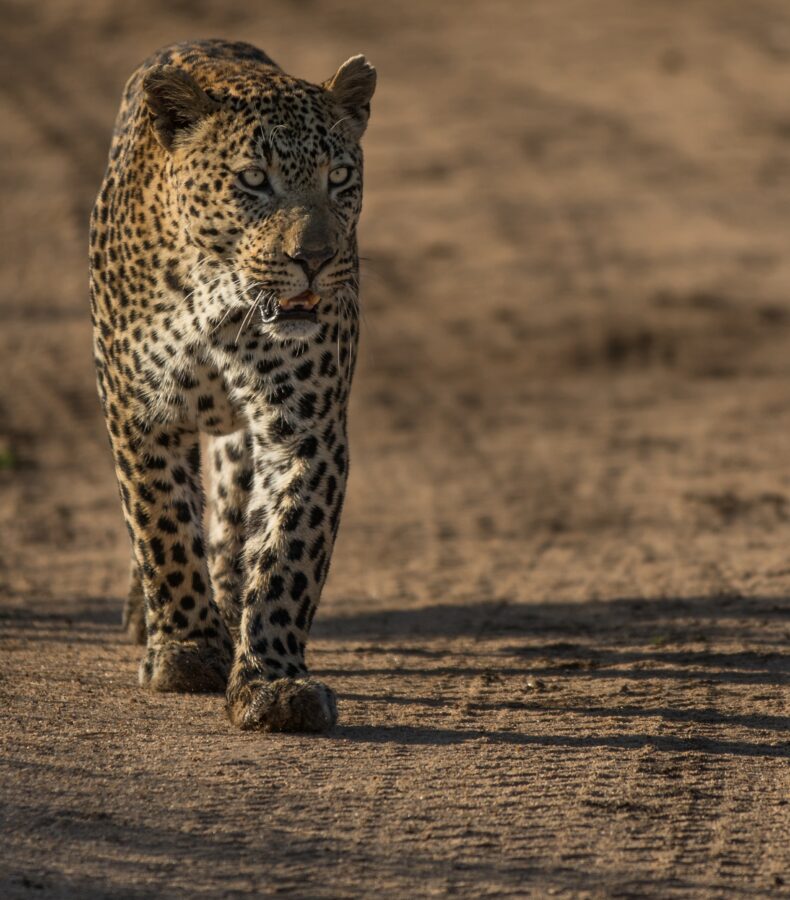
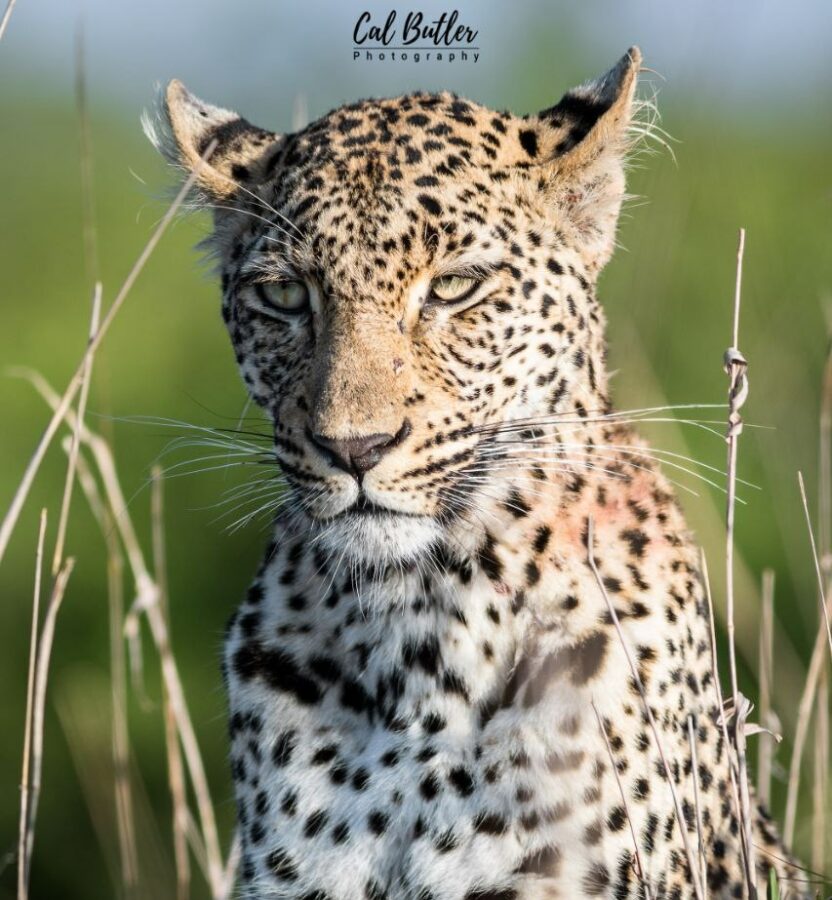
Aloof and beautiful, leopards are the most mysterious of the big cats. The odds are pretty high that you’ve driven past a leopard on a past safari without even having noticed it! Such is their nature – solitary, stealthy and, when glimpsed, utterly magical.
Here at Leopard Hills, we are privileged to live in the midst of a thriving leopard population. This doesn’t mean that they don’t face dangers or challenges, but it does mean that our guides and trackers have witnessed multiple generations reach maturity within the Sabi Sand Nature Reserve, going on to produce cubs of their own, and so on. We know many of these individuals by name, making each encounter truly special, and though it’s not our place to interfere in the course of these cats’ lives, we can’t help but feel connected to their stories and invested in their success.
Should you opt to stay with us for your leopard safari, we believe we could turn it into something truly spectacular, because we know how spectacular it remains for us – even after all these years.
The Leopard Capital of Africa
No reserve on the African continent has a stronger reputation for leopard sightings than the Sabi Sand Nature Reserve. This unofficial accolade has been earned over decades by a combination of exceptional leopard density, a uniquely habituated population, and a community of guides whose knowledge of individual animals runs deep.
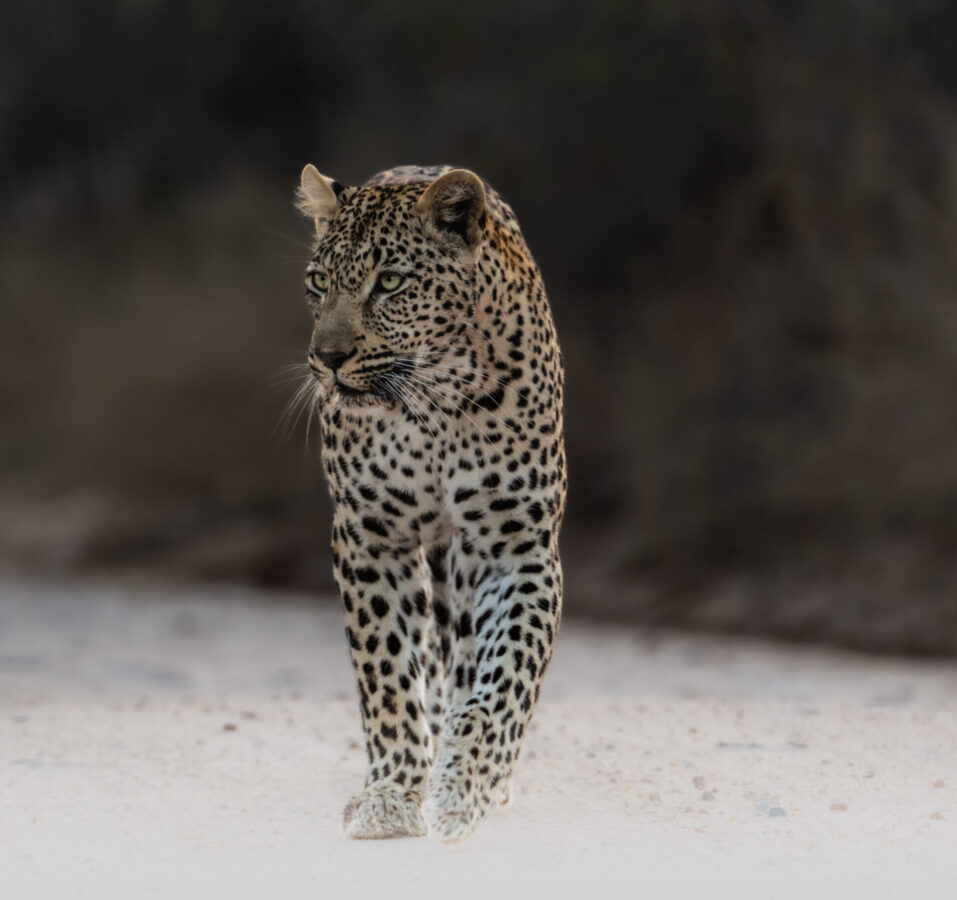
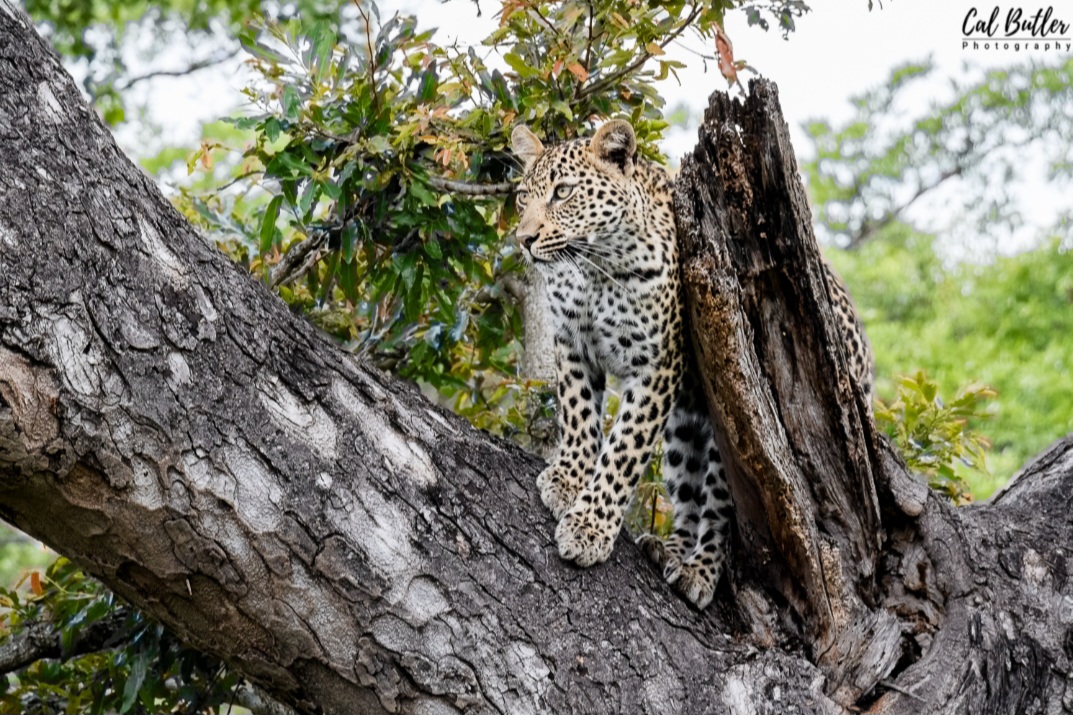
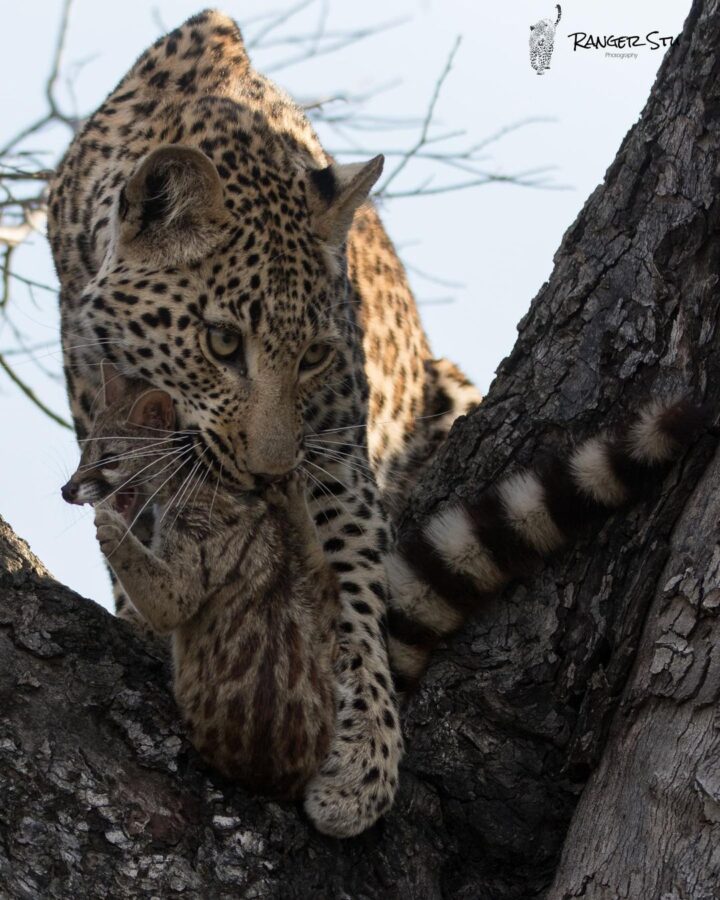
Leopards are, by nature, solitary and secretive. In other reserves, a sighting might be a glimpse of a tail disappearing into tall grass or a shape dissolving into riverine bush, but in the Sabi Sand, leopards can be observed at length from the vehicle – hunting, patrolling, raising cubs – thanks to our guides’ patience and teamwork.
The Landscape They Call Home
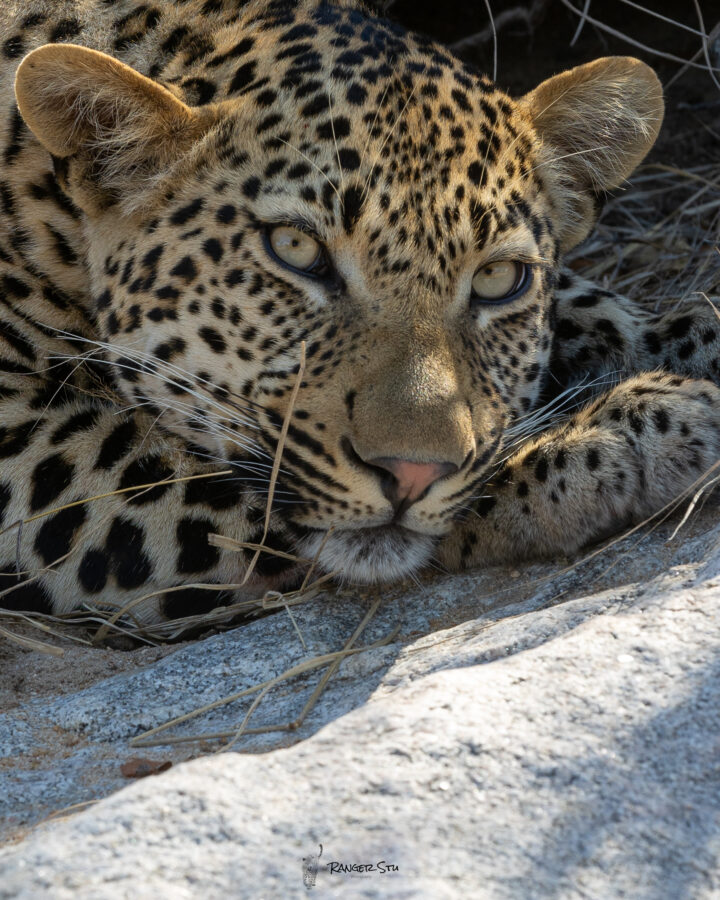
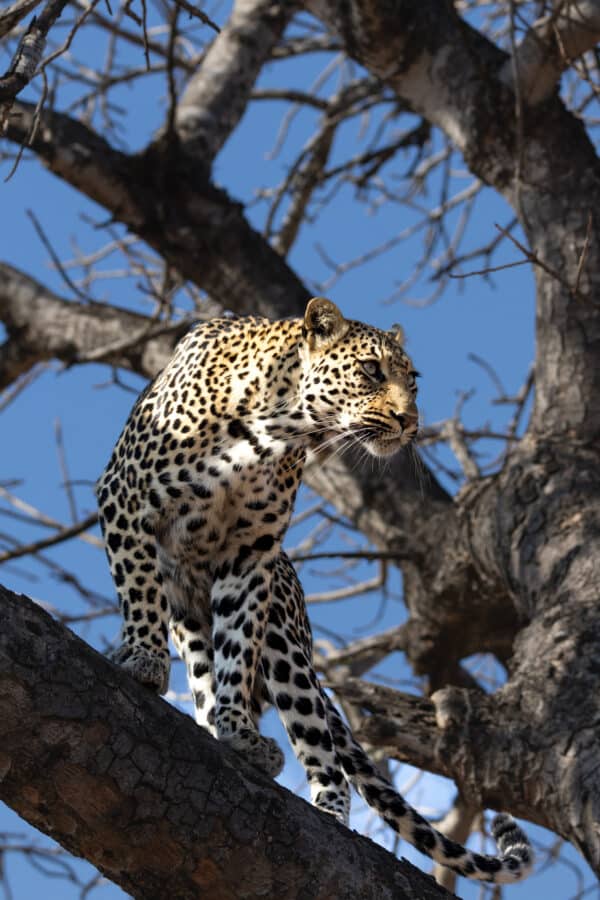
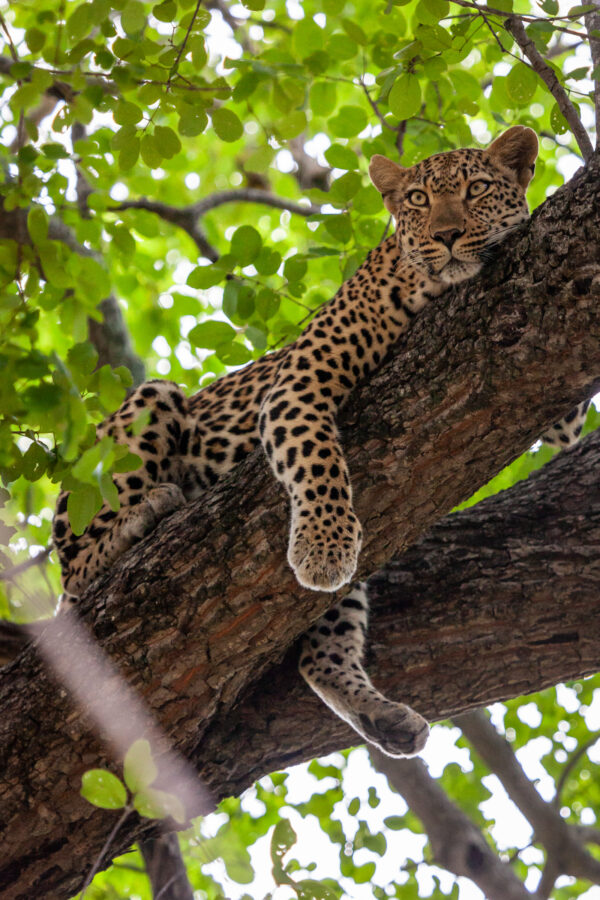
The western Sabi Sand, where Leopard Hills is situated, offers leopards precisely the conditions they love: dense thickets for cover, marula and jackalberry woodland for elevated vantage points, riverine vegetation along the Sand River where prey concentrates and movement is predictable, and rocky outcrops from which a leopard can survey the landscape from above. (They are cats after all, and what’s a cat without a perch from which to lord over all they see with a superior air?)
Our reserve also shares an unfenced boundary with Kruger National Park, meaning the leopard population here is not isolated. Animals move freely, territories shift, and new individuals pass through, supporting a genetically diverse, and therefore healthy, population.
The People Who Know Them By Name
Perhaps the greatest advantage we offer for a leopard safari is not the landscape, but the people who read it. Our rangers and trackers have followed the leopards of the Western Sector for years – some for their entire careers. They know individuals by their rosette patterns, their movement habits, the specific trees they favour and the territories they patrol at dusk. There is no book that can teach you real world knowledge like this; it requires instinct and action in the moment. We are forever in awe of our guides and trackers – their powers of observation and storytelling are what each safari experience is built on.
While information is shared by guides across the reserve via a radio network, you will never feel as though you are being raced from one sighting to the next. Sometimes there is the thrill of the “chase,” but we place the wellbeing of the animals in this reserve above all else, and do not push in when the context dictates otherwise. Trust your guide to show you some incredible things, but realise too that this landscape is not here to put a show on for our benefit. Our role is to be benign observers only.
The Leopards Themselves
The individuals our rangers follow are as distinct in personality as they are in appearance. Rivala, one of the reserve’s most celebrated females, is known for her extraordinary patience on a stalk – capable of closing the distance on prey with a slowness that makes the vehicle fall entirely silent. Tisela, whose name means ‘the patient one’, embodies a measured precision in her hunting that her cubs are already beginning to mirror.
Mahetelelo, daughter of the beloved Thlangisa female, recently introduced guests to her first litter of cubs – a moment that felt, for the guides who have watched her grow up, like a story coming full circle. And the Euphorbia male, one of the Western Sector’s dominant territorial leopards, has a presence that demands respect from all who lay eyes on him. And that’s not to mention Ravenscourt… (If you know, you know!)
These are not cameos. These are lives unfolding in real time, and Leopard Hills guests are among the privileged few who get to follow along from the front seat!
Why Winter Is the Best Time to Join Us
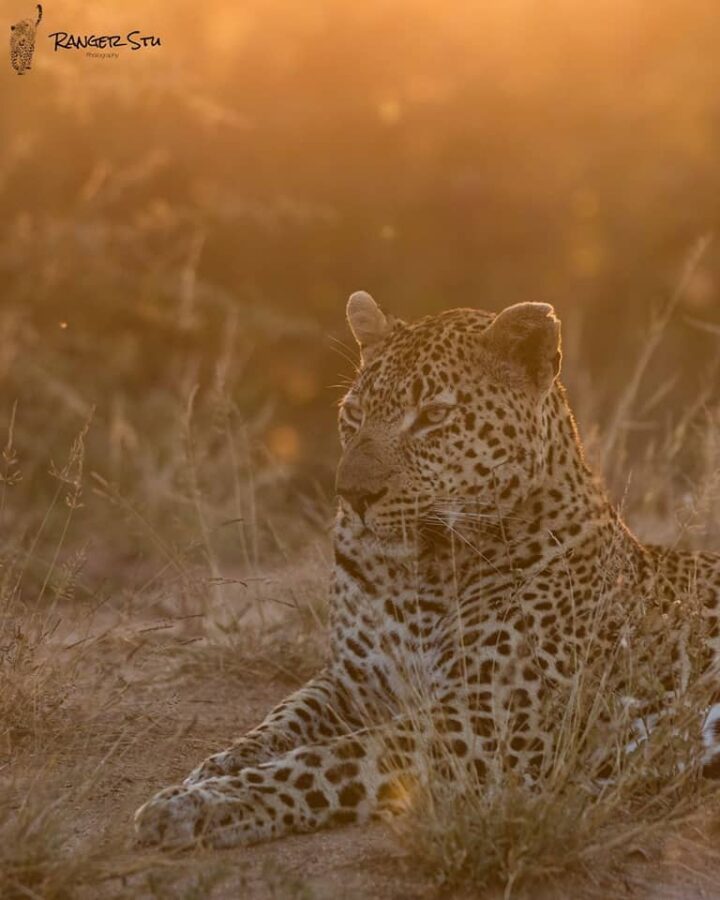
The Sabi Sand is exceptional for leopard sightings year-round, but from April through to September, the conditions tip decisively in our guests’ favour. As the dry season takes hold, the vegetation thins. The dense summer bush that can conceal even a large leopard at close range gives way to open woodland and golden grass, and suddenly we can see deeper into the landscape on either side of the vehicle tracks.
Animals also concentrate around permanent water sources as the dry season deepens, making their movements more predictable and encounters more frequent.
Stay With Us
Dry season safari availability at Leopard Hills fills up quickly. If you would like to experience the leopard sightings Sabi Sand is celebrated for, we would love to hear from you.
Browse our accommodation options and book your trip online.
Alternatively, get in touch with us at book@leopardhills.com and we’d be happy to help you arrange everything, from check-in to transfers.